
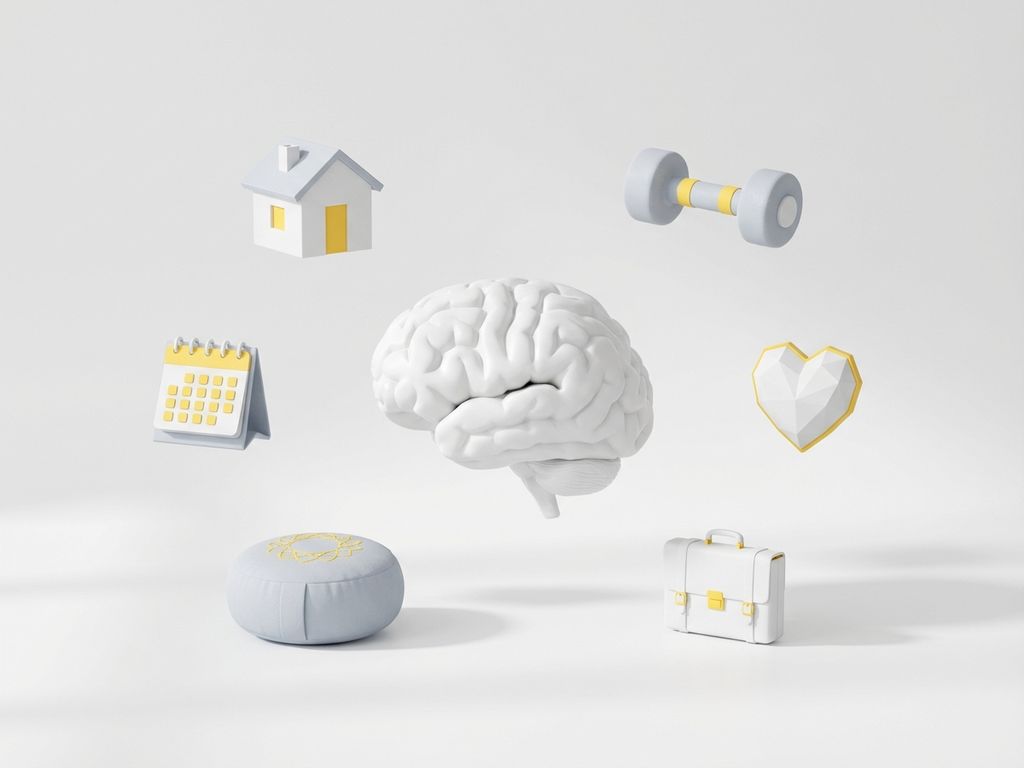
The 6 P’s of mental health are Purpose, People, Physical health, Play, Pleasure, and Peace. This framework provides entrepreneurs and sales professionals with a structured approach to maintaining mental wellness whilst building their businesses. Each element addresses different aspects of psychological wellbeing that directly impact business performance, decision-making, and authentic relationship building with clients.
Understanding the 6 P’s mental health framework for entrepreneurs
The 6 P’s mental health framework offers a comprehensive approach to maintaining psychological wellbeing in high-pressure business environments. This model recognises that entrepreneurs face unique challenges including financial uncertainty, constant decision-making, and the pressure to perform consistently.
For founders and sales professionals, mental health in sales becomes particularly crucial because your emotional state directly influences client interactions. When you’re mentally balanced, you naturally build more authentic connections and make clearer business decisions.
The framework addresses the interconnected nature of mental wellness, acknowledging that neglecting one area often impacts others. Rather than viewing mental health as a single concept, it breaks wellbeing into manageable components that busy entrepreneurs can actively nurture.
What are the 6 P’s of mental health and why do they matter?
The six P’s each represent a fundamental pillar of mental wellness. Purpose provides direction and meaning in your entrepreneurial journey, helping you stay motivated during challenging periods.
People encompasses your social connections and support networks. Building genuine relationships with mentors, peers, and team members creates a foundation for both personal wellbeing and business success.
Physical health includes exercise, nutrition, and sleep patterns. Your body’s condition directly affects cognitive function, energy levels, and emotional regulation – all essential for effective sales performance.
Play represents activities that bring joy and relaxation without business objectives. This might include hobbies, creative pursuits, or recreational activities that help reset your mental state.
Pleasure involves actively seeking positive experiences and celebrating achievements. Acknowledging progress, no matter how small, maintains motivation and prevents burnout.
Peace refers to stress management, mindfulness, and creating mental space for reflection. This element helps you process challenges constructively and maintain emotional balance during difficult periods.
How can entrepreneurs apply the 6 P’s to manage business stress?
Implementing Purpose starts with regularly reviewing your business mission and personal values. Schedule monthly reflection sessions to ensure your daily activities align with your broader entrepreneurial goals and personal beliefs.
Strengthen your People connections by actively building relationships within your industry. Join entrepreneur groups, attend networking events, and maintain regular contact with mentors who understand the unique pressures of business ownership.
For Physical health, establish non-negotiable routines around exercise and sleep. Even 20 minutes of daily movement and consistent sleep schedules significantly impact your ability to handle stress and maintain focus during sales conversations.
Incorporate Play by scheduling regular activities that have nothing to do with business. Whether it’s playing music, gardening, or sport, these activities provide mental refreshment and often spark creative solutions to business challenges.
Create Pleasure through small daily rewards and celebration rituals. Acknowledge completed tasks, successful client meetings, or progress towards goals with meaningful recognition that reinforces positive momentum.
Develop Peace through stress management techniques like meditation, journaling, or simply taking regular breaks throughout your workday. Mental clarity improves decision-making and helps you respond rather than react to challenging situations.
Why is mental health crucial for sales success and business growth?
Mental wellness directly impacts your ability to build authentic relationships with clients. When you’re mentally balanced, you naturally communicate with greater empathy, listen more effectively, and respond to client needs with genuine care rather than transactional thinking.
Stress and mental fatigue cloud judgement, leading to poor business decisions and missed opportunities. The 6 P’s framework helps maintain the mental clarity needed for strategic thinking and recognising potential partnerships or sales opportunities.
Your emotional state influences how others perceive and respond to you. Clients are more likely to trust and engage with entrepreneurs who demonstrate emotional stability and authentic enthusiasm for their work.
Mental health in sales also affects resilience when facing rejection or setbacks. A balanced approach to the 6 P’s provides multiple sources of fulfilment and support, preventing any single business challenge from overwhelming your overall wellbeing.
Key takeaways for implementing the 6 P’s mental health approach
Start by assessing your current state in each of the six areas. Identify which elements need immediate attention and create specific, actionable steps for improvement in those areas.
Build the 6 P’s into your weekly schedule rather than treating them as optional extras. Block time for physical activity, social connections, and stress management just as you would for important business meetings.
Remember that implementing this framework is a gradual process. Focus on small, consistent changes rather than attempting to transform all areas simultaneously. Sustainable progress creates lasting improvements in both mental wellness and business performance.
Consider how each element of the 6 P’s can enhance your sales approach and client relationships. When you’re operating from a place of mental balance, authentic selling becomes natural rather than forced, leading to stronger business outcomes and personal satisfaction.